June 4, 2026
This article explores the essential components of maintaining safe temperature-controlled storage for perishable goods and the role commercial refrigeration services play in supporting that process. Businesses that rely on cold storage depend on properly functioning equipment to help maintain product quality and reduce spoilage risks. From walk-in coolers to ice machines and commercial HVAC systems, dependable refrigeration equipment is a key part of daily operations across food service and commercial environments.
In many commercial settings, these systems are in near-constant use, making ongoing care and attention an important part of day-to-day operations. Over time, even well-performing equipment can benefit from routine service to help maintain steady performance across changing demands. In many cases, commercial refrigeration services support businesses in maintaining consistency across equipment performance and operational needs.
Efficient Cold Storage Process Overview
Maintaining Controlled Temperature Environments
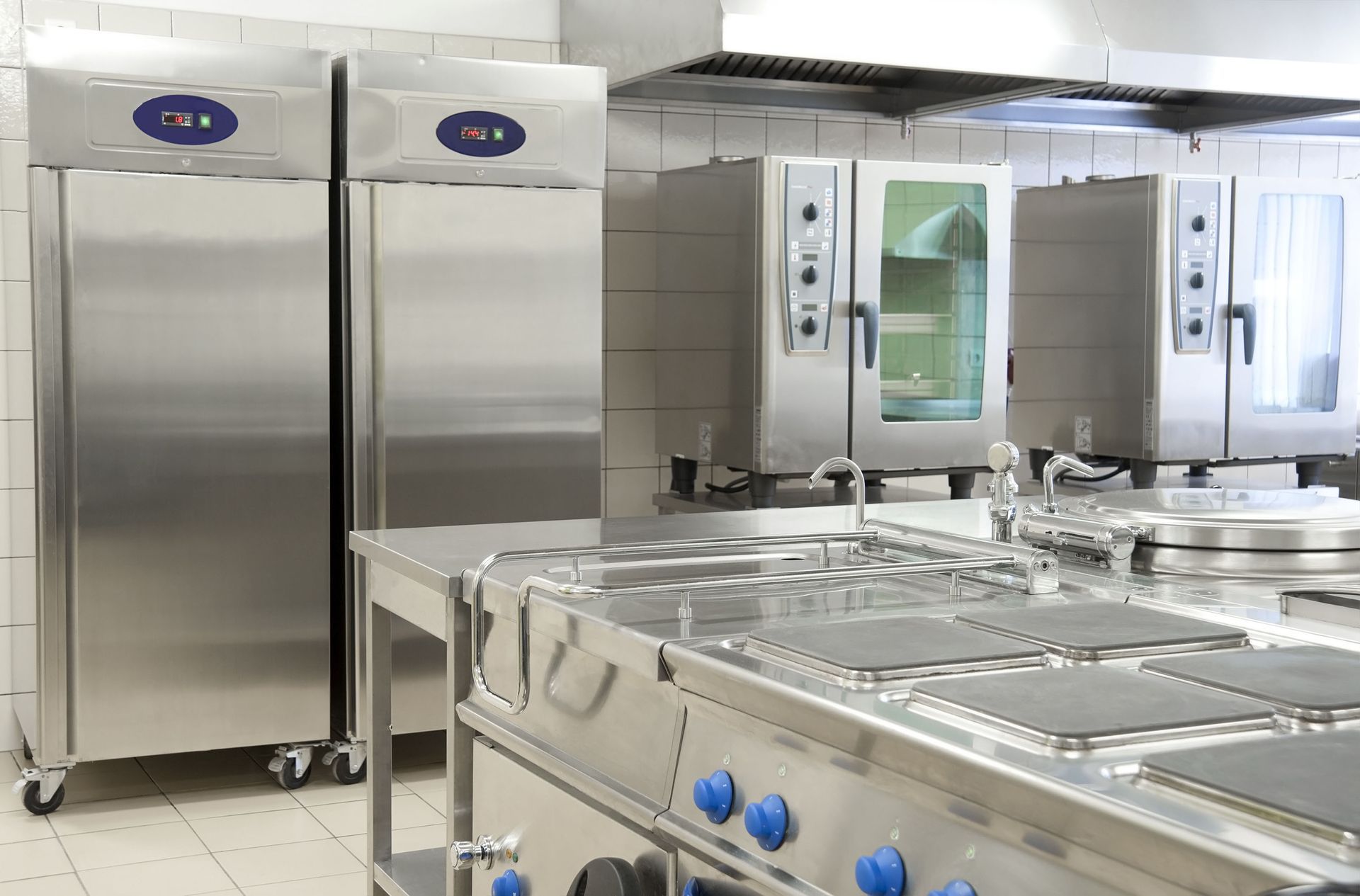
Cold storage systems are designed to maintain consistent low temperatures that help preserve perishable goods. These systems are used throughout restaurants, grocery stores, and commercial facilities where maintaining proper storage conditions is essential. When equipment is functioning correctly, it helps reduce waste and supports the safe handling of temperature-sensitive inventory. In many environments, these systems operate continuously, making temperature consistency an important part of everyday workflow. Small fluctuations in performance can often go unnoticed at first, which is why regular observation of equipment behavior is often part of standard operational routines. Commercial refrigeration services often play a role in supporting these environments by helping maintain consistent system function over time.
Identifying Core Refrigeration Components
Commercial refrigeration systems typically include walk-in coolers, walk-in freezers, and ice machines. Walk-in coolers and freezers provide larger storage spaces that allow businesses to hold inventory at safe temperatures. Ice machines support daily operational needs by producing a consistent supply of ice for commercial use. These systems are designed to operate in demanding environments where consistency is essential. Across different facility types, each component may serve a slightly different role, but together they contribute to maintaining controlled storage conditions. Layout, usage volume, and operational schedules can all influence how these systems are configured within a space. Commercial refrigeration services are often used to help support these systems as operational demands shift.
Organized Commercial Equipment Use
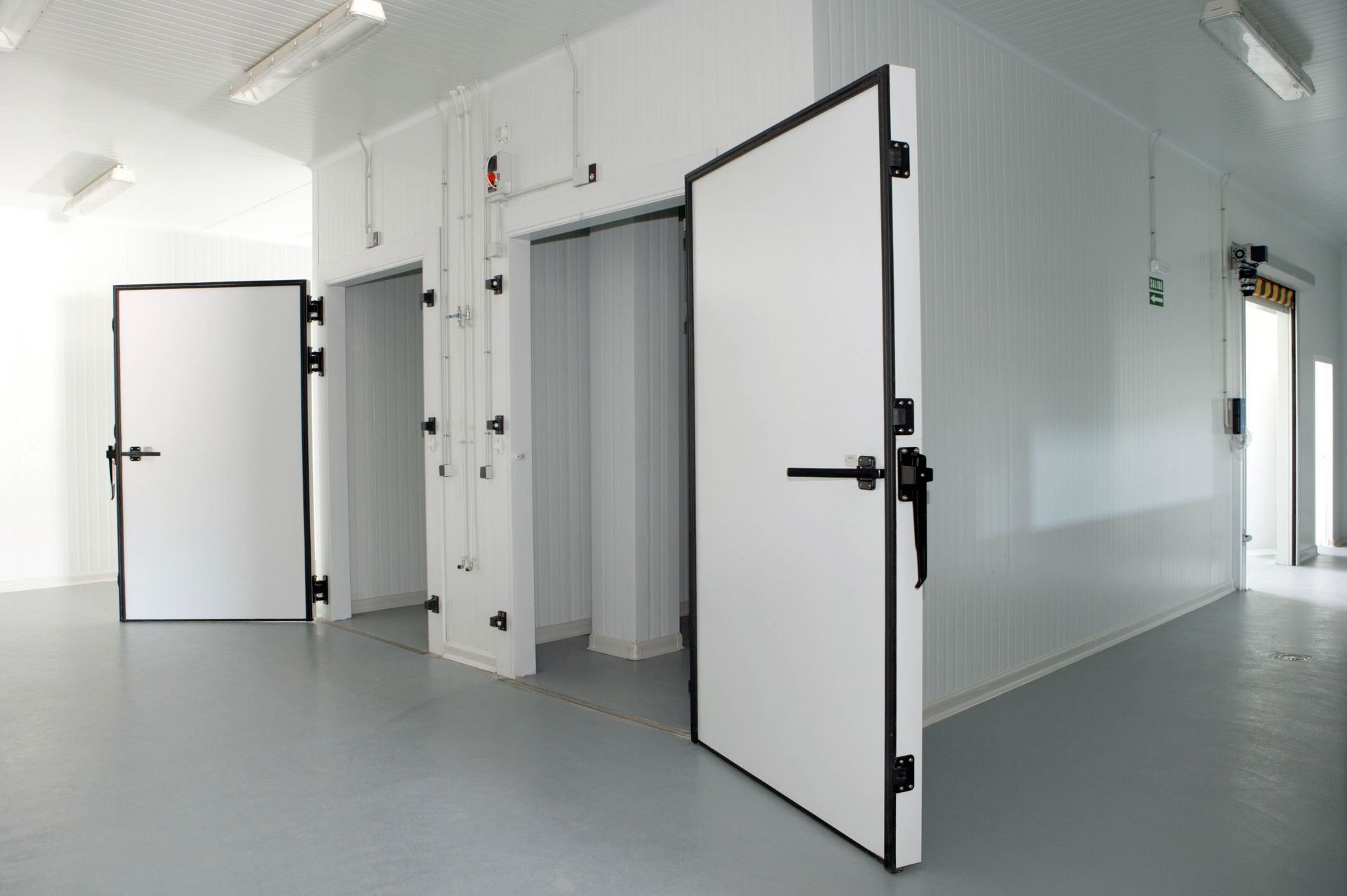
Supporting Walk-In Cooler and Freezer Systems
Walk-in coolers and freezers are essential for businesses that require large-capacity cold storage. These systems help maintain stable internal temperatures to preserve food and other perishable products. Proper installation and ongoing service help ensure these units continue operating efficiently over time. In many facilities, these units are accessed frequently throughout the day, which makes consistent performance an important part of daily workflow. The internal organization of storage space can also vary depending on the type of products being held, and many operations adjust shelving or layout based on changing needs over time. Walk-in systems are commonly supported through commercial refrigeration services to help maintain steady operation.
Operating Commercial Ice Machines
Ice machines are widely used in commercial settings where a steady supply of ice is needed. These systems require regular maintenance and occasional repair to ensure consistent production and sanitary operation. When properly maintained, they support smooth day-to-day business activity. In addition to production volume, placement within a facility can also influence ease of use and workflow efficiency. Some operations may experience seasonal or peak-period changes in demand, which can place varying levels of use on these systems throughout the year. Commercial refrigeration services are often used to help address maintenance needs as usage levels fluctuate.
Structured Service Process Overview
Installing Commercial Refrigeration Systems
Proper installation is an important part of ensuring refrigeration systems operate effectively. Walk-in coolers, walk-in freezers, and ice machines must be correctly set up and calibrated to meet the needs of each facility. Professional installation helps support long-term system performance. Installation planning often involves evaluating available space, usage requirements, and workflow patterns to determine the most suitable setup. Once installed, systems may require minor adjustments as they are integrated into daily operations and usage patterns become more established. Commercial refrigeration services often support installation processes to help ensure proper system configuration from the start.
Repairing Refrigeration Equipment
Commercial refrigeration systems may experience performance issues over time, including temperature fluctuations or mechanical failures. Timely repair services help restore proper operation and reduce downtime. Addressing issues quickly is important for protecting stored inventory and maintaining business continuity. In many cases, early signs of performance changes can include subtle shifts in cooling patterns or unusual system behavior. Regular attention to these details can help identify when service may be needed before larger disruptions occur. Commercial refrigeration services are commonly used to address these types of repair needs.
Performing Preventative Maintenance
Routine maintenance helps extend the lifespan of refrigeration equipment and reduce the likelihood of unexpected breakdowns. Regular inspections and servicing of components such as coils, fans, and controls support consistent system performance. Preventative care is an important part of maintaining stable operation in commercial environments. Maintenance schedules can vary depending on system usage and operating conditions, but consistent servicing helps keep equipment functioning within expected performance ranges. Over time, this type of care also helps reduce the likelihood of gradual efficiency loss. Many businesses rely on commercial refrigeration services to support ongoing maintenance programs.
Integrated HVAC System Support
Managing Heating and Cooling Systems
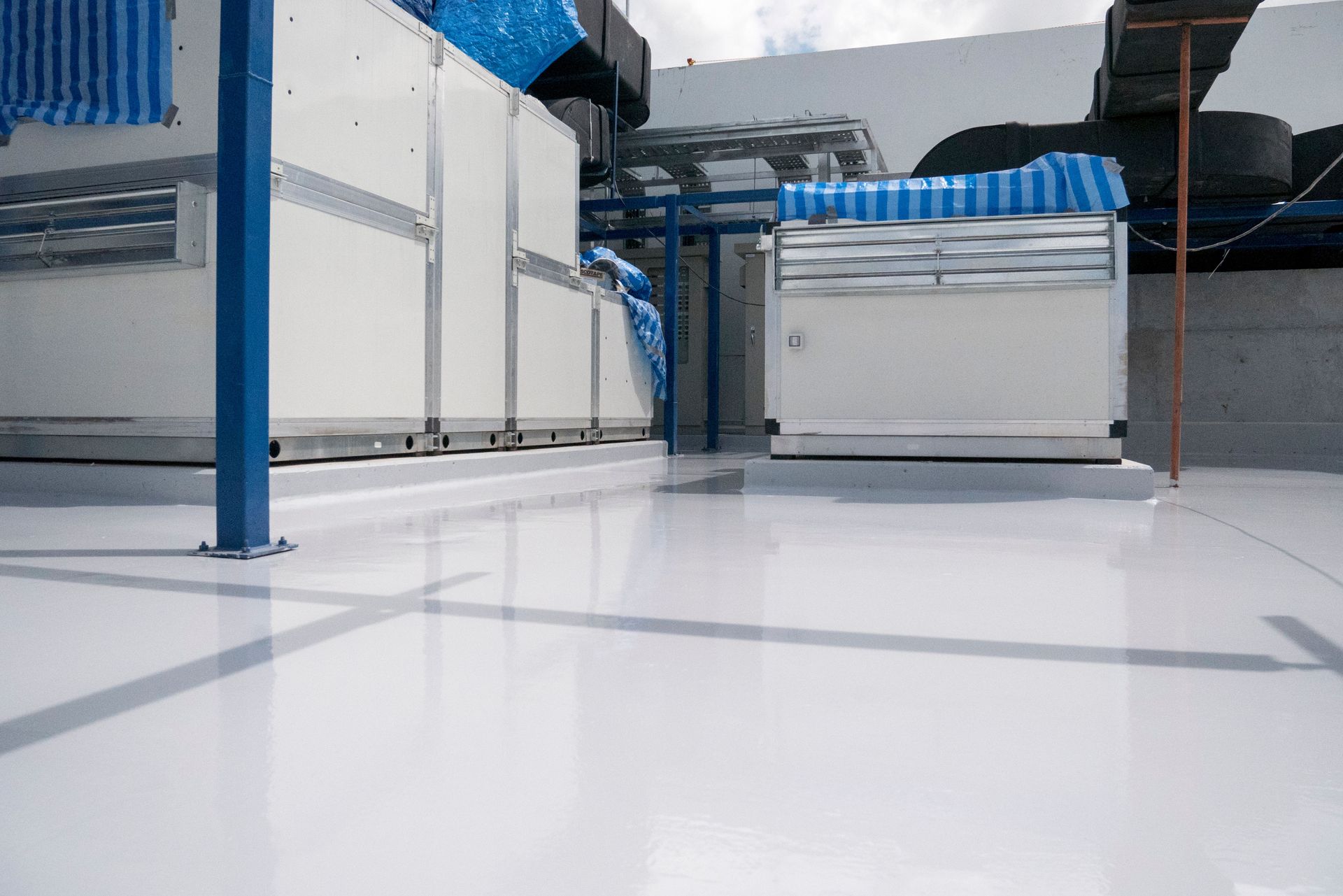
In addition to refrigeration equipment, many commercial facilities rely on HVAC systems to maintain comfortable and controlled indoor environments. Commercial HVAC services include installation, repair, and maintenance of heating and cooling systems used in business settings. Proper system performance helps support overall building functionality. These systems often operate alongside refrigeration equipment, contributing to a balanced indoor environment. Depending on the facility, HVAC systems may serve multiple zones or areas with different temperature needs, requiring coordinated operation throughout the building. Commercial refrigeration services can also intersect with HVAC needs in facilities where temperature control systems operate together.
Consistent Commercial Operation Support
Minimizing Equipment Downtime
When refrigeration or HVAC systems stop working properly, it can disrupt business operations. Fast response repair services and ongoing maintenance help reduce downtime and restore equipment performance. Keeping systems in good working condition is essential for maintaining daily operations. In many commercial environments, even short interruptions can affect workflow, making quick attention to system issues an important part of operational planning. Having established service routines in place can help reduce the impact of unexpected equipment concerns. Commercial refrigeration services are often part of response and maintenance strategies.
Maintaining Temperature Consistency
Consistent temperature control is essential for preserving stored products and maintaining safe storage conditions. Well-maintained refrigeration systems help ensure stable performance and reduce the risk of temperature fluctuations that can affect inventory quality. In many settings, temperature consistency is monitored throughout the day as part of routine operations. Small adjustments in system performance may occur over time, and ongoing attention to equipment condition helps maintain steady operating ranges. Commercial refrigeration services support these outcomes by helping maintain consistent system operation across different environments.
Commercial refrigeration systems play an important role in supporting businesses that depend on cold storage and temperature-controlled environments. From installation and ongoing maintenance to repair services, keeping equipment in good working condition helps support steady daily operations. Walk-in coolers, walk-in freezers, ice machines, and HVAC systems all contribute to maintaining consistent performance across a variety of commercial settings. According to RTS, over 30-40% of the total U.S. food supply goes unsold or uneaten, with restaurants alone creating 22–33 billion pounds of food waste annually.
To learn more about commercial refrigeration services and HVAC support, including walk-in coolers, walk-in freezers, ice machines, and system maintenance, Central Nebraska Refrigeration provides additional information on available service options and support.