August 3, 2026
Understanding the importance of proper maintenance for commercial refrigeration systems is crucial for efficiency, cost-effectiveness, and longevity. As businesses rely heavily on commercial refrigeration for various operations, ensuring these systems are not overburdened is essential. Without proactive maintenance, companies might face operational disruptions, inventory loss, and increased expenses. When equipment operates continuously under stress, utility bills surge while mechanical components degrade rapidly. Taking preventative action ensures stable temperatures, protects perishable inventory, and prolongs equipment lifespan. Implementing a consistent care schedule allows operators to detect minor discrepancies before they escalate into major mechanical emergencies. Routine checks preserve system integrity, keep utility costs predictable, and support seamless daily business activities. Moreover, well-maintained units maintain cleaner internal environments, reducing health code compliance risks and avoiding expensive emergency service calls during peak business hours. Let us delve into the intricacies of commercial refrigeration and discover ways to ensure our systems function optimally day in and day out.
Maintain Essential System Components
Refrigerants play a vital role in the cooling cycle, circulating through the equipment to absorb and release heat. The choice of refrigerant impacts the efficiency and environmental footprint of the unit. Understanding the various roles of refrigerants helps in better maintaining your commercial refrigeration setup. Regular checks for refrigerant levels ensure that there are no leaks, which can compromise overall cooling performance and force components to labor unnecessarily. When fluid levels drop below standard parameters, heat transfer efficiency plummets, causing the motor to work continuously without reaching target temperatures. Low fluid levels also risk causing internal motor overheating due to reduced thermal regulation. The compressor is often referred to as the heart of the system, converting refrigerant from a low-pressure gas to a high-pressure gas. If a compressor is overworked, it can lead to increased energy consumption and premature failure. Routine maintenance and scheduled checkups can prevent issues related to compressor overexertion, keeping operational stress low. Skilled technicians examine internal lubrication, electrical connections, capacitor function, relay performance, and pressure settings during these inspections. Heat exchange is another critical function, with condensers dissipating heat from the refrigerant. Regular cleaning of condenser units avoids restricted airflow and excessive energy usage, allowing internal mechanisms to operate without friction and maintaining consistent thermal management across all operating cycles.
Identify Signs of Overworked Units
A primary indicator of an overworked setup is a sudden spike in monthly energy bills. When a system is strained, it requires significantly more energy to maintain desired target temperatures. According to IndexBox, the production volume of US commercial refrigeration equipment was projected to hit 121 million units, carrying a market value of $3B in 2024. This massive industry scale underscores the necessity of managing operational costs effectively across all commercial properties. Unusual noises and vibrations also signal underlying mechanical problems. Rattling, grinding, high-pitched squealing, clanking, or buzzing disturbances might arise from worn-out internal parts, loose fan mountings, improper fan alignment, bearing degradation, or excessive compressor strain. Recognizing these early warning signs can mitigate further mechanical issues and prolong the lifespan of the equipment. Furthermore, inconsistent temperature levels jeopardize product safety, inventory freshness, regulatory compliance, and business reputation. Thermostat drift, door seal degradation, sensor inaccuracies, or blocked interior vents can prevent cold air from distributing evenly throughout storage compartments. Regular calibration ensures reliable temperature consistency, safeguarding valuable product integrity, maintaining health department standards, and preventing costly spoilage.
Improve Ventilation and Airflow
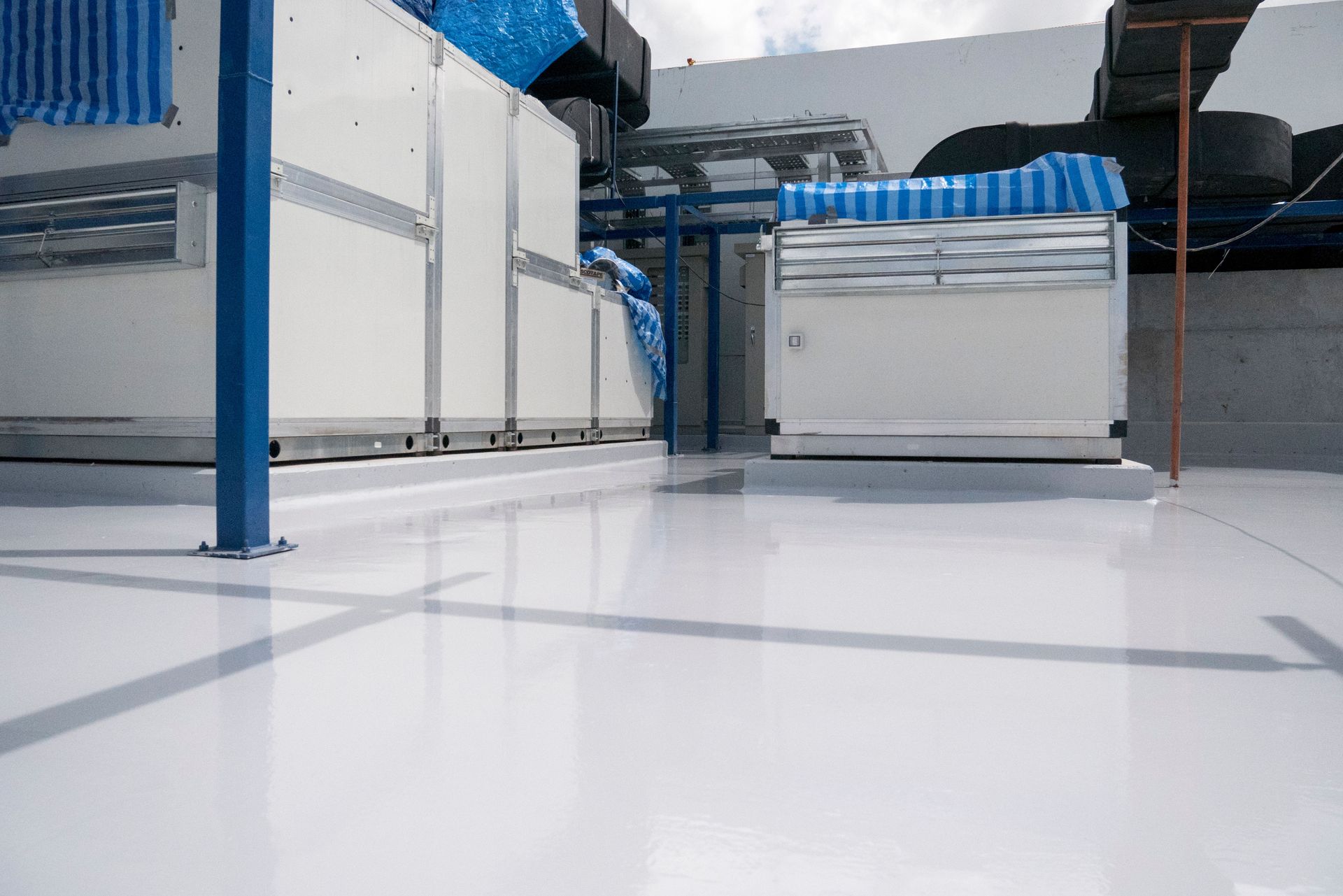
Poor ventilation restricts airflow, causing internal components to overheat and wear out prematurely. Adequate ventilation ensures efficient heat dissipation, which is critical for maintaining optimal system performance during demanding operating cycles. Blocked vents or inadequate spacing between equipment and adjacent walls or structures can severely restrict airflow, increasing overall operational strain. Position units with ample clearance around intake and exhaust ports to facilitate smooth air circulation throughout the surrounding space. Clearing clutter, storage boxes, and structural barriers away from ambient airflow paths prevents heat from recirculating back into condenser coils. Regularly checking airflow channels and clearing nearby obstructions prevents overuse and enhances unit efficiency. Improper ventilation often leads components like compressors and condensers to work far harder than necessary, causing increased energy consumption and severe thermal stress. Internal temperature spikes can cause protective thermal limit switches to trip repeatedly, disrupting daily operations and risking unexpected system shutdowns. Addressing ventilation issues by relocating units or adjusting spacing improves airflow significantly. Achieving optimal ventilation involves routine maintenance, professional clearance checks, ambient temperature monitoring, and deliberate layout design considerations. Ensuring unobstructed pathways proves critical in prolonging the operational life of a commercial refrigeration setup. By prioritizing proper ventilation, companies safeguard their investments against overuse, heat damage, and ongoing operational inefficiency.
Clean Coils and Upgrade Insulation
Dirty or clogged coils remain a primary cause of efficiency losses and system overexertion. Evaporator and condenser coils become ineffective when dust, grease, lint, airborne grime, and ambient debris obstruct airflow or thermal transfer processes. Regular cleaning prevents grime accumulation, allowing the system to exchange heat efficiently and maintain optimal cooling cycles. Neglected coils lead to an increased operational load, continuous motor running, elevated cabinet temperatures, and higher utility costs over time. Proactive maintenance includes routine inspections, vacuuming, chemical coil cleaning, and soft-brush coil care to ensure free airflow and peak heat dissipation performance. Additionally, insufficient insulation complicates consistent temperature management within refrigerated spaces. Door gaskets, wall panels, ceiling joins, door sweeps, and pipe insulation must remain intact to seal cold air inside effectively. Proper insulation ensures sealed spaces retain cool temperatures, minimizing overall energy requirements and preventing thermal transfer from external environments. When insulation is inadequate or damaged, outside warm air seeps in, forcing the setup to work constantly to pull down temperatures. Upgrading insulation prevents thermal leakage, preserving energy and optimizing cooling performance. Effective assessment of insulation integrity helps technicians diagnose thermal inefficiencies for tailored maintenance solutions.
Prevent Ice Buildup and Leaks
Ice buildup signals significant operational inefficiencies, often resulting from restricted airflow, faulty defrost cycles, damaged door seals, clogged drain lines, moisture infiltration, or refrigerant issues. Clogged airflow can lead to localized temperature drops, inviting persistent frost and ice formation across evaporator coils. As ice thickens, it acts as an insulator, blocking heat absorption, restricting fan movement, overloading fan motors, and compounding cooling failures. If not addressed, ice buildup exacerbates cooling inefficiencies, forcing the equipment to work harder to maintain set conditions. Regular defrosting routines, drain line clearings, door seal checks, timer testing, and thorough inspections can prevent frost accumulation, promoting smooth and continuous operations. Effective solutions include improving internal airflow management, checking defrost heaters, inspecting thermostat sensors, and monitoring refrigerant levels closely. Leaky refrigerant lines also severely compromise cooling efficiency, leading to increased electrical load and energy usage. Refrigerant leaks result in lowered cooling capacity, making the system strain to reach target temperatures. Promptly repairing line leaks and recharging the refrigerant restores optimal function. Professional inspections ensure that coil cleanliness, airflow, and refrigerant levels remain optimal, maximizing equipment longevity and reducing operational expenses substantially.
Proper care and timely interventions are vital for keeping your equipment running smoothly and efficiently over many years. By understanding essential components, identifying early signs of strain, and addressing common causes of overexertion, businesses can prevent costly breakdowns and extend the life of their investments. Maintaining these setups not only saves money on utility bills but also ensures a reliable, safe environment for your inventory. Taking a proactive approach to routine servicing eliminates unexpected downtime, protects valuable assets, and preserves daily business operations. Regular maintenance plans provide peace of mind while keeping energy consumption predictable and manageable throughout seasonal temperature shifts. Investing in preventative care safeguards operational continuity, extends equipment operational life, and reduces long-term capital expenditures on replacement units. Establishing a relationship with certified technicians ensures rapid response times when emergency service needs arise. If you are experiencing cooling issues or want to schedule routine maintenance, reach out to Central Nebraska Refrigeration today to keep your commercial refrigeration running at its absolute best.