September 5, 2026
Commercial Refrigeration Services 101: What to Expect
2. Costs
Another vital factor is obtaining detailed quotations to gain clear insights into the cost structure. It's essential to understand what is included in the quote to avoid unexpected expenses. Make sure to get multiple quotes and compare them for both cost and comprehensiveness. A transparent quote will reflect the contractor's professionalism and commitment to their clients.
In this comprehensive guide, we'll explore the essentials of commercial refrigeration services, highlighting what you should expect when working with professionals in the industry. Whether you're a restaurant owner or a business manager, understanding these services is crucial to maintaining your operations effectively. The right refrigeration system can mean the difference between smooth operations and frequent interruptions, impacting both customer satisfaction and your bottom line. By the end of this article, you'll have a clear understanding of the different aspects of commercial refrigeration services and how to make informed decisions.
Understanding the Basics of Commercial Refrigeration
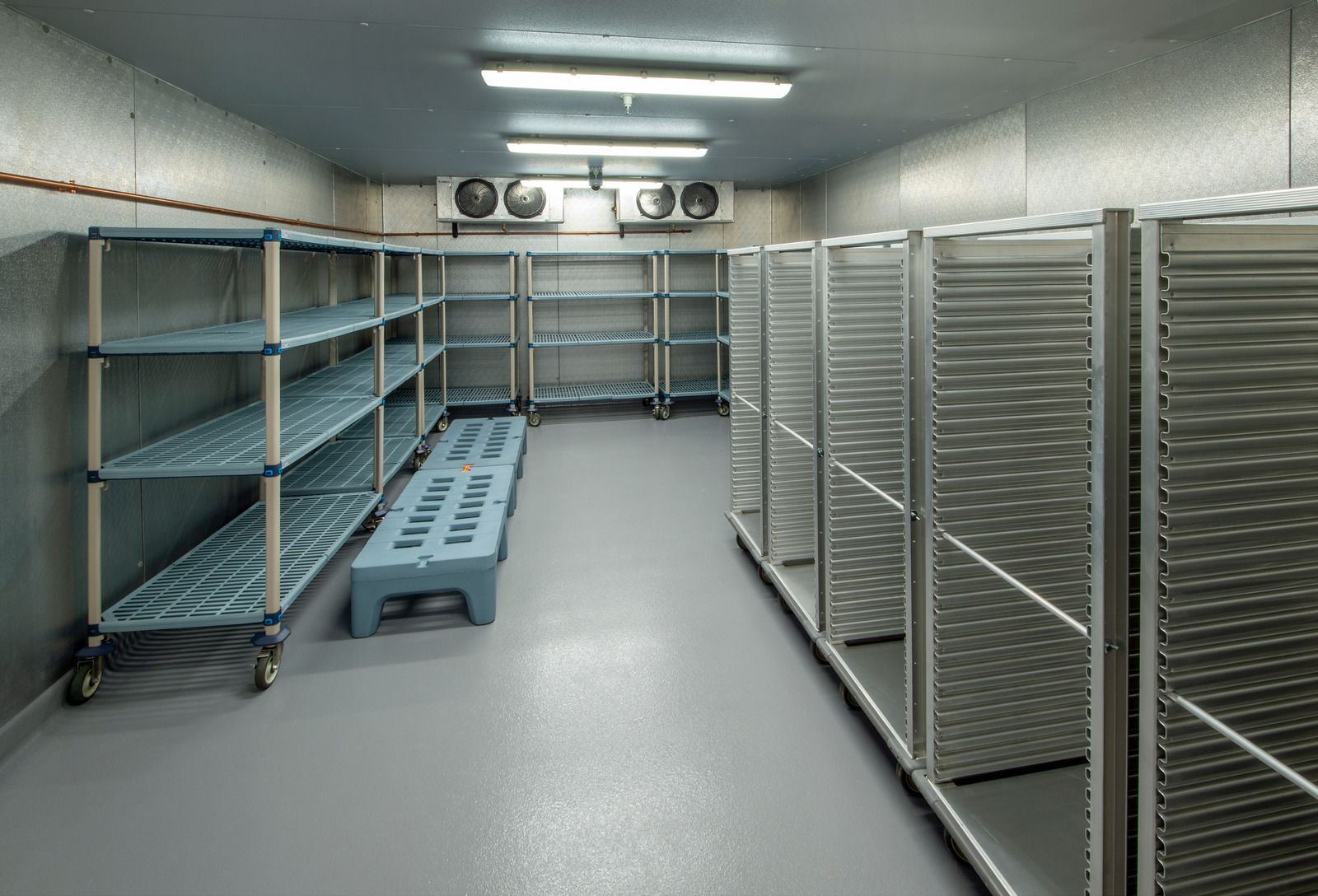
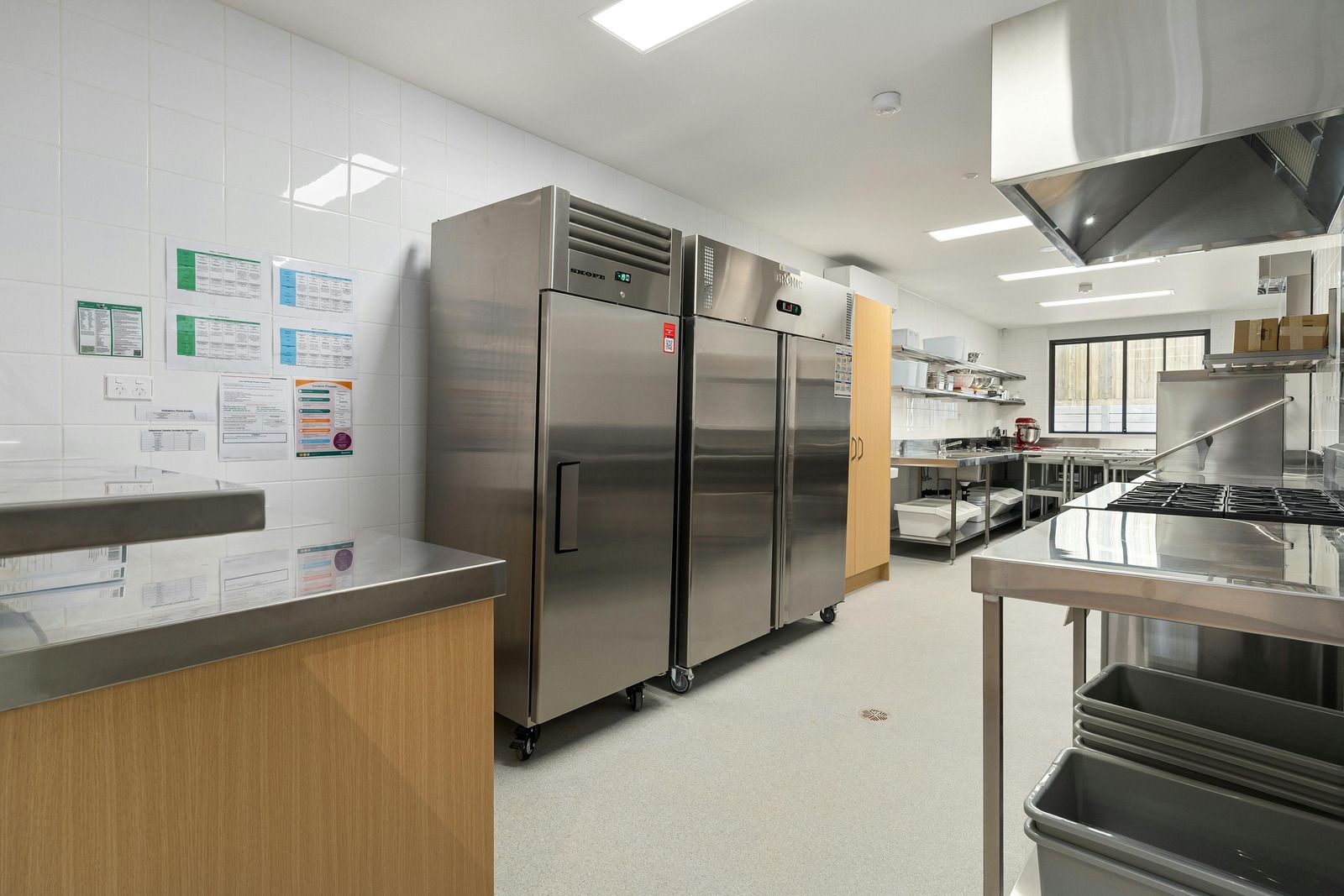
Commercial refrigeration refers to the refrigeration systems used in commercial settings such as restaurants, supermarkets, and other establishments that require controlled environments to preserve perishable goods. The technology is designed to maintain specified temperatures to ensure food safety and product quality. These systems are more robust and have greater capacity than domestic refrigerators, tailored to meet the rigorous demands of business operations. Understanding commercial refrigeration is critical to ensure compliance with health and safety regulations and to optimize operational efficiency.
Types of Commercial Refrigeration Systems
There are various types of commercial refrigeration systems available, each designed to meet specific needs. Walk-in coolers and freezers are essential for businesses with large storage demands, providing ample space to keep inventory at optimal temperatures. Reach-in refrigerators and display cases are common in supermarkets and convenience stores, balancing storage needs with the ability to showcase products to consumers. Each type of system offers distinct advantages and challenges, and selecting the right one depends on your specific requirements and operational goals.
Importance of Professional Installation
Proper installation of commercial refrigeration systems is crucial to ensure their efficient operation and longevity. Hiring a professional service provider guarantees that the units are installed following industry standards and manufacturer guidelines, minimizing the risk of malfunctions and energy waste. According to IBISWorld, the market size of the refrigeration equipment wholesaling industry in the United States is expected to be $10.5 billion in 2026, underscoring the importance of professional expertise in this growing sector. Investing in skilled installation professionals safeguards your business from potential outages and costly repairs in the future.
Common Commercial Refrigeration Applications
Commercial refrigeration systems have a wide range of applications across various industries. In the food and beverage sector, these systems are essential for preserving the freshness and safety of ingredients and products. They are also pivotal in healthcare settings, where maintaining the correct temperature of vaccines and medications can be critical. Each application requires careful choice and maintenance of refrigeration systems to ensure compliance with specific standards and to promote effective operations.
What is Commercial Refrigeration?
How to Choose the Right Commercial Refrigeration Service Provider
Choosing the right commercial refrigeration service provider requires careful consideration of several key factors. Firstly, evaluate the provider’s experience and expertise in handling the specific type of refrigeration system you require. Secondly, consider their reputation and reviews from past clients, as these can provide insights into their reliability and service quality. Lastly, assess their availability for both scheduled maintenance and emergency services to ensure ongoing support for your refrigeration needs.
Questions to Ask Potential Providers
Asking the right questions can significantly aid in choosing a competent commercial refrigeration service provider. Inquire about their response time for emergency repairs and their ability to provide ongoing maintenance tailored to your system’s needs. Understanding their pricing models, including any warranties or service guarantees they offer, is also essential. Finally, ask about their familiarity with energy-efficient practices and technologies, as this may contribute to reducing operational costs.
Comparing Costs and Services
While cost is a significant consideration, it should not be the sole factor in choosing a service provider. A higher upfront investment in quality services often results in long-term savings due to reduced downtime and increased system efficiency. Compare the range of services offered by potential providers to ensure comprehensive support that covers installation, maintenance, and emergency repairs. Ensure that the provider you choose offers transparent pricing with no hidden fees that could affect your budget adversely.
Evaluating Provider Experience and Reputation
A provider's experience and reputation can provide reassurance in their competence and reliability. Longer-standing companies often have more experience with a variety of systems and complexities, making them more equipped to handle diverse challenges. Reputation, gauged through client testimonials and industry certifications, reflects a provider's commitment to quality and customer satisfaction. Verifying these aspects helps ensure that your business receives dependable commercial refrigeration services, enhancing operational stability.
Factors to Consider When Choosing a Service Provider
Understanding Preventive Maintenance for Commercial Refrigeration
Regular maintenance of commercial refrigeration systems is crucial to prolonging their operational life and maintaining efficiency. Scheduled servicing helps identify potential issues before they become significant problems, reducing the risk of unexpected breakdowns. Routine maintenance can also enhance energy efficiency, leading to substantial cost savings over time. Additionally, consistent upkeep ensures compliance with health and safety standards, vital for maintaining product quality and customer safety.
Key Maintenance Tasks for Longevity
Preventive maintenance tasks for commercial refrigeration systems include cleaning and inspecting components such as coils, fans, and condenser units. Regular verification of temperature settings and alarm systems also ensures they function correctly. Technicians should check refrigerant levels and inspect electrical connections to prevent energy wastage and safety hazards. Ensuring these tasks are performed regularly by a qualified professional is key to extending the lifespan and efficiency of your refrigeration system.
Signs Your System Needs Maintenance
There are several signs that your commercial refrigeration system needs maintenance. If you notice an unexpected increase in energy bills or temperature fluctuations within your refrigerators or freezers, it may indicate inefficiencies that require professional attention. Unusual noises or excessive frost buildup also signal potential mechanical issues. Acting promptly upon these signs can prevent more severe problems and costly repairs, preserving both your inventory and profitability.
Scheduled vs. Emergency Maintenance Guidelines
Scheduled maintenance involves regularly planned checks and servicing of your refrigeration system. It is proactive, designed to prevent system failures and ensure optimal performance. In contrast, emergency maintenance addresses unexpected system malfunctions that can disrupt operations. While emergencies cannot always be avoided, maintaining a consistent schedule of preventive maintenance can significantly reduce their frequency and severity.
Benefits of Regular Maintenance
Diagnosing and Repairing Common Refrigeration Issues
Common issues with commercial refrigeration systems include temperature inconsistencies, leaks, and component failures. An easily overlooked problem is the accumulation of dust and debris in condenser coils, which leads to inefficiencies and higher energy consumption. Electrial issues, such as faulty wiring, can also cause system failures or safety hazards. Understanding these common problems enables you to troubleshoot effectively or know when to call in professionals for repairs.
Commercial refrigeration services are a critical component for many businesses, ensuring product freshness and safety. By understanding what to expect from these services and staying proactive in your refrigeration management, you can enhance efficiency, reduce costs, and keep your operations running smoothly. The integration of energy-efficient practices and professional maintenance further supports operational success. Ensuring you choose a reputable service provider capable of addressing your specific requirements is essential to obtaining the maximum benefit from your refrigeration systems. Be sure to reach out to Central Nebraska Refrigeration today for more information on our professional commercial refrigeration services!
Identifying Common Commercial Refrigeration Problems
Related Articles