
HVAC Installation & Maintenance
HVAC INSTALLATION AND MAINTENANCE IN York, NE
Commercial rooftop units typically last 15 to 20 years, and the ones that reach the far end of that range are almost always the ones serviced twice a year rather than once every few. Central Nebraska Refrigeration installs and maintains commercial and rooftop HVAC equipment for facilities across York, NE. This page covers system design and correct sizing, new unit installation, energy-efficient upgrades, scheduled maintenance programs, and emergency repair, all handled by technicians certified on the brands we supply.
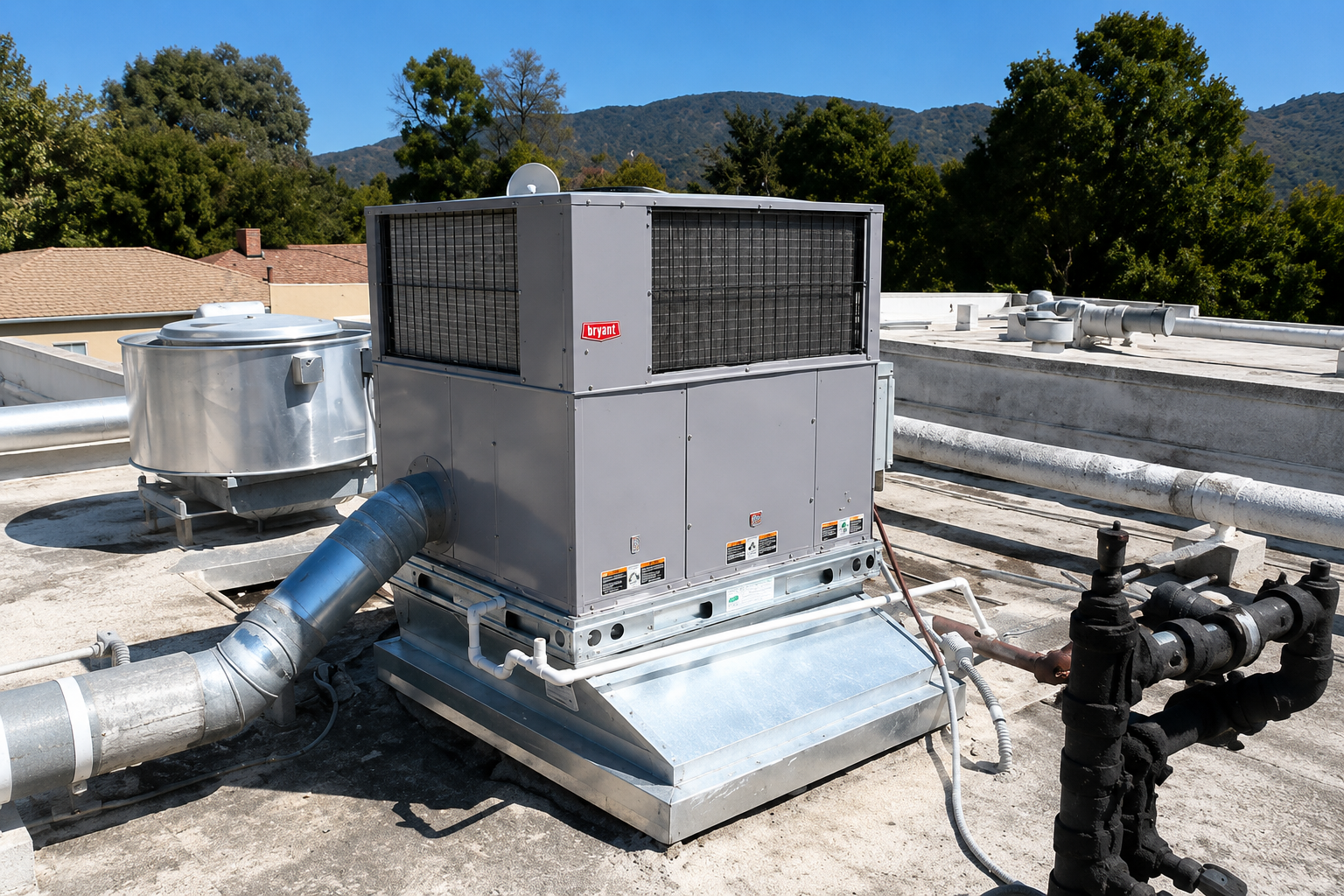
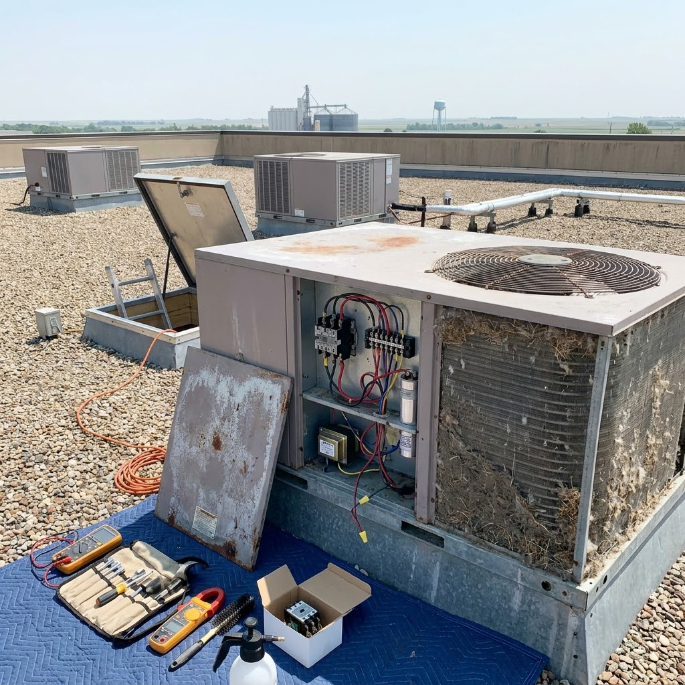
A ROOFTOP UNIT FAILS ON THE HOTTEST DAY, NOT A MILD ONE.
Heating and cooling equipment breaks down under load, which is why the call always comes during a July heat wave or the first hard freeze. Neither is a good moment to discover the contactor was pitted, the coil was clogged, or the unit was undersized for the space the day it went in. Planned service moves those discoveries into a quiet week.
That is what a maintenance program buys. Not a sticker on the panel, but a technician who has already found the weak component and replaced it before the weather did it for you.
- Design and sizing before any equipment is ordered
- Rooftop and packaged unit installation
- Preventative maintenance programs on a set schedule
- 24/7 emergency HVAC repair when a system quits
HVAC INSTALLATION AND MAINTENANCE
SIZED FOR YOUR BUILDING, NOT FOR A CATALOG.
An oversized unit short cycles, wears its compressor early, and never dehumidifies properly. An undersized one runs constantly and still leaves the back of the room uncomfortable. Getting tonnage right means looking at square footage, ceiling height, insulation, glazing, occupancy, kitchen heat load, and how the space is actually used. We do that assessment before quoting equipment, because the wrong box costs more over its life than any install ever saves upfront.
A NEBRASKA WINTER TESTS EVERY SHORTCUT IN AN INSTALL.
Curb adapters that were not sealed properly, condensate lines routed without heat trace, economizers left at factory settings, gas trains never commissioned for local conditions. Each of those survives a mild fall and shows up in January. Our installs are commissioned rather than simply energized, which means airflow measured, refrigerant charge verified, controls configured, and the sequence of operation confirmed before we hand the building back to you.
WE SIZE THE UNIT BEFORE WE SELL THE UNIT.
Plenty of contractors quote a replacement by reading the nameplate on the old unit, which just repeats whatever mistake was made 20 years ago. We would rather spend an hour on a load assessment and give you a number we can defend. Sometimes that means a smaller unit than you expected, and a lower price than the competing bid. Occasionally it means adding zoning instead of adding tonnage.
WHY CHOOSE US FOR HVAC INSTALLATION AND MAINTENANCE.
Equipment Chosen for Your Load
You get a system sized against your actual building rather than the nameplate of whatever failed. That protects you from short cycling, uneven temperatures, and a compressor that wears out years early because the equipment never matched the space.
Installs That Are Commissioned
Airflow measured, charge verified, controls configured, and the sequence of operation tested before handover. A unit that merely runs on day one is not the same as a unit that has been proven to perform across its full operating range.
Downtime Kept to a Window
Installation and changeout work is planned around your operating hours wherever the schedule allows. Knowing in advance when the space will be without heating or cooling lets you staff and stock accordingly, instead of losing an entirely unpredictable day.
Maintenance That Prevents the Emergency
Scheduled visits catch pitted contactors, dirty coils, failing capacitors, and drifting charge while they are still cheap. Most of the emergency calls we take are problems that a routine inspection would have flagged 1 or 2 seasons earlier.
Efficiency Gains You Can Measure
Upgrades are recommended against payback rather than novelty. Economizer repair, control adjustments, and a properly matched replacement often deliver far more savings on your monthly utility bill than the headline efficiency rating printed on the equipment ever will.
Support After the Truck Leaves
Warranty options on parts and labor, plus a documented commissioning record and a maintenance interval suited to your building. You are never left holding a manual and hoping the original installer still answers the phone by next summer.
WHAT WE INSTALL
OUR HVAC INSTALLATION AND MAINTENANCE WORK
Six areas cover the full working life of a commercial heating and cooling system, from the load assessment that precedes the quote through to the emergency call years down the line.
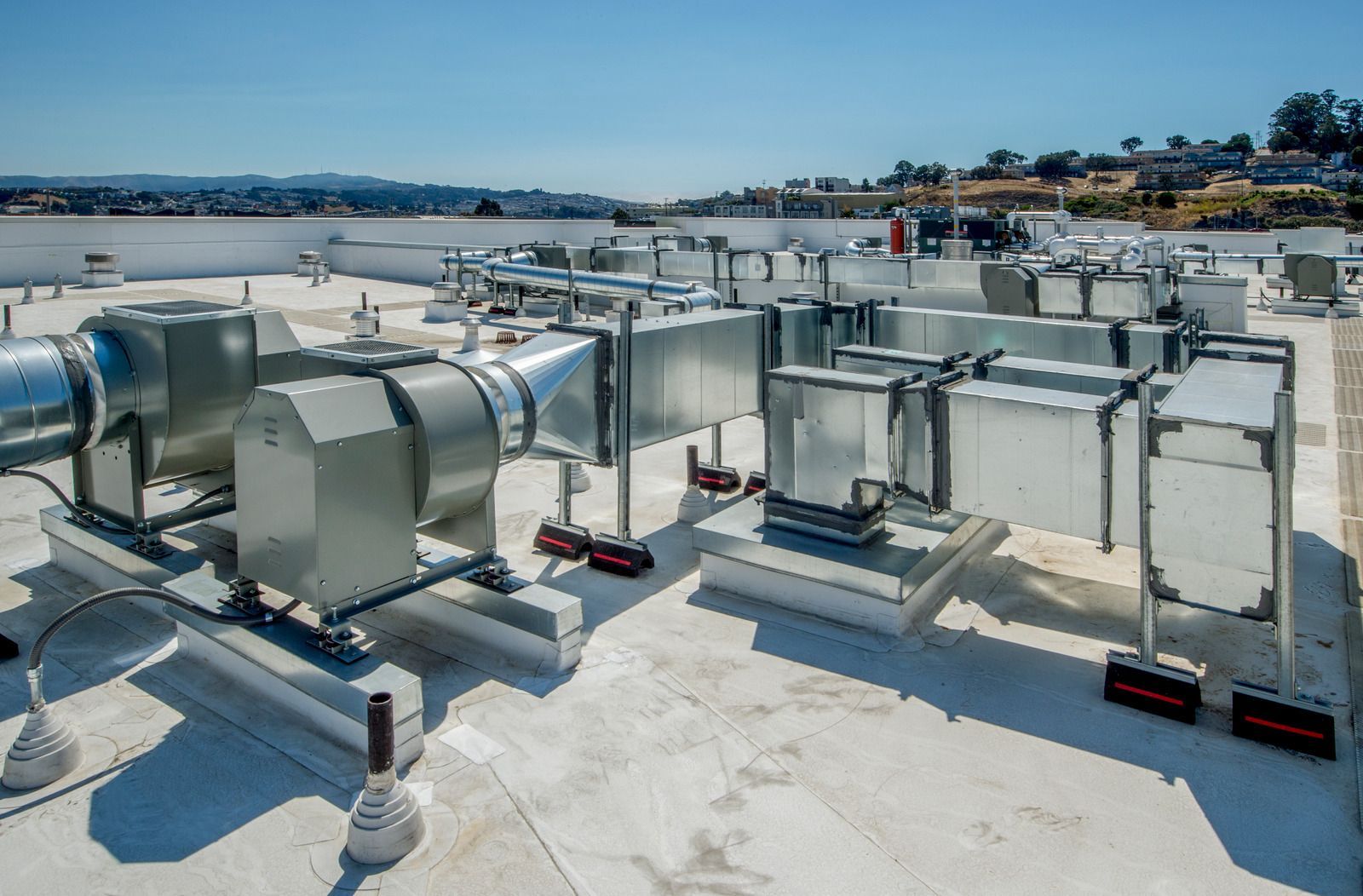
NEW UNITS
Commercial and Rooftop HVAC Installation
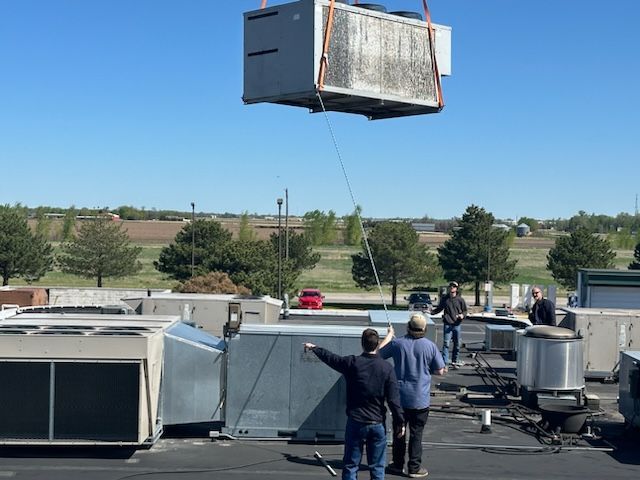
New packaged rooftop units, split systems, and complete heating and cooling installations for commercial and industrial buildings. Curb work, electrical connections, ductwork tie-ins, and full commissioning are included, so the system performs to specification rather than merely powering up.
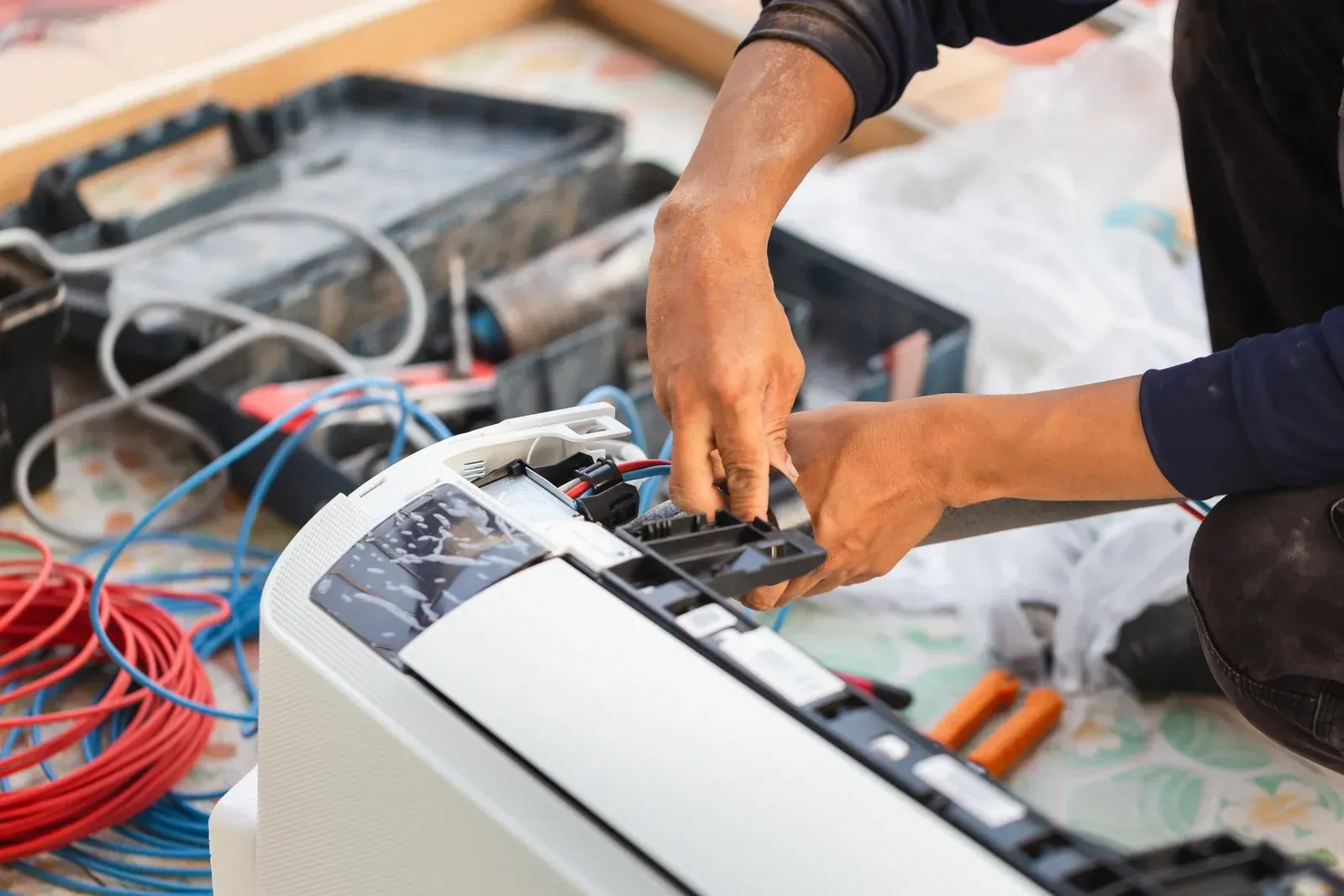
SYSTEM CARE
Maintenance and Repair of Existing Systems
Diagnosis and repair across compressors, blower motors, heat exchangers, economizers, thermostats, and refrigerant circuits. Older equipment gets an honest assessment of its remaining life, so you are never funding one repair after another on a unit already past saving.
EFFICIENCY UPGRADES
Energy-Efficient System Upgrades
Replacing aging equipment, correcting control strategies, and repairing economizers to cut your operating cost. Recommendations always come with the reasoning and the expected payback attached, so capital decisions rest on numbers rather than on a manufacturer's marketing claim.
DESIGN WORK
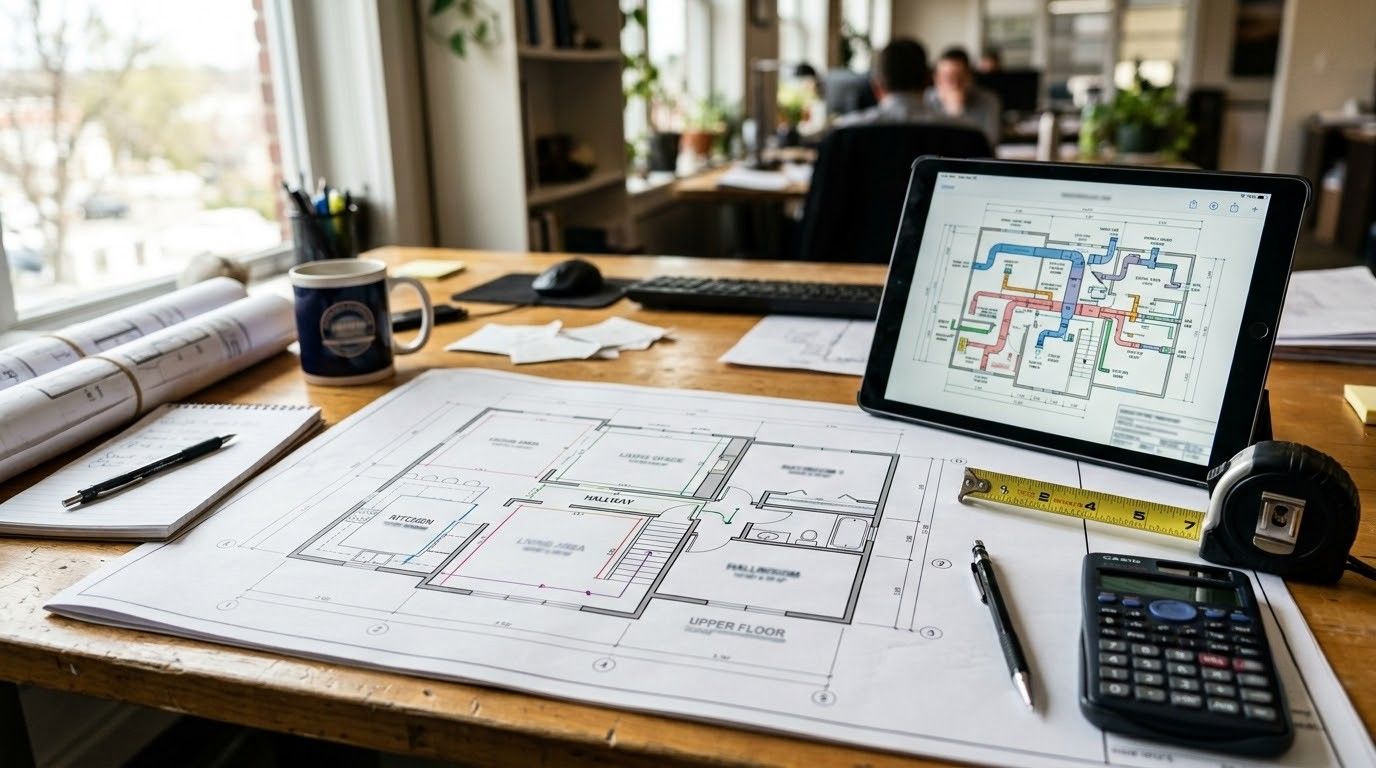
Custom System Design and Sizing
Load calculation and system design built around your square footage, occupancy, kitchen heat gain, and insulation. Zoning options get considered here as well, since different areas of a building rarely need the same conditions at the same time.
AFTER HOURS
Emergency HVAC Repair
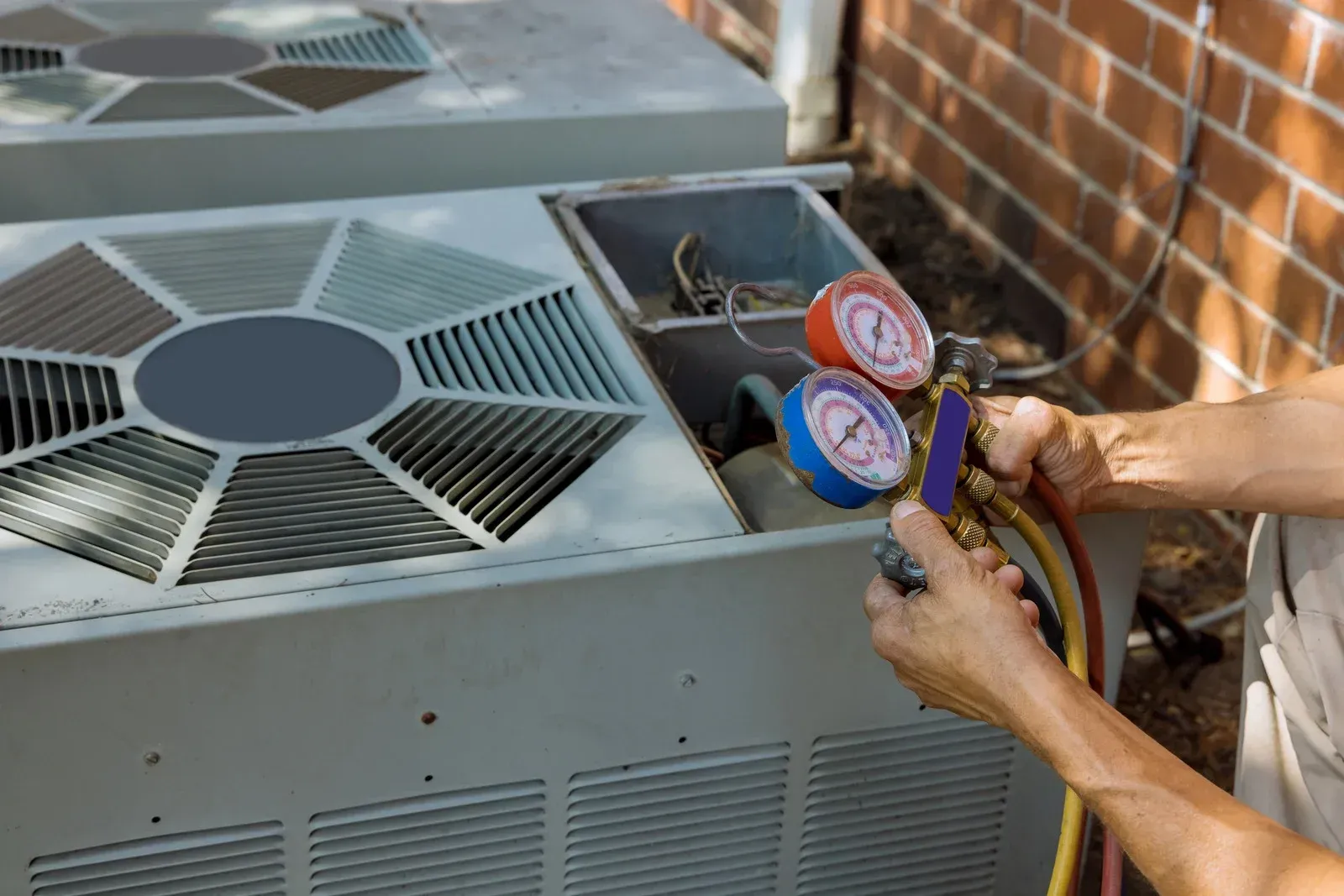
Around-the-clock response for when heating or cooling fails outside normal business hours. Technicians arrive with common failure parts on the truck, because a contactor, capacitor, or blower motor should not turn into a multi-day closure for your facility.
PLANNED VISITS
Preventative Maintenance Programs
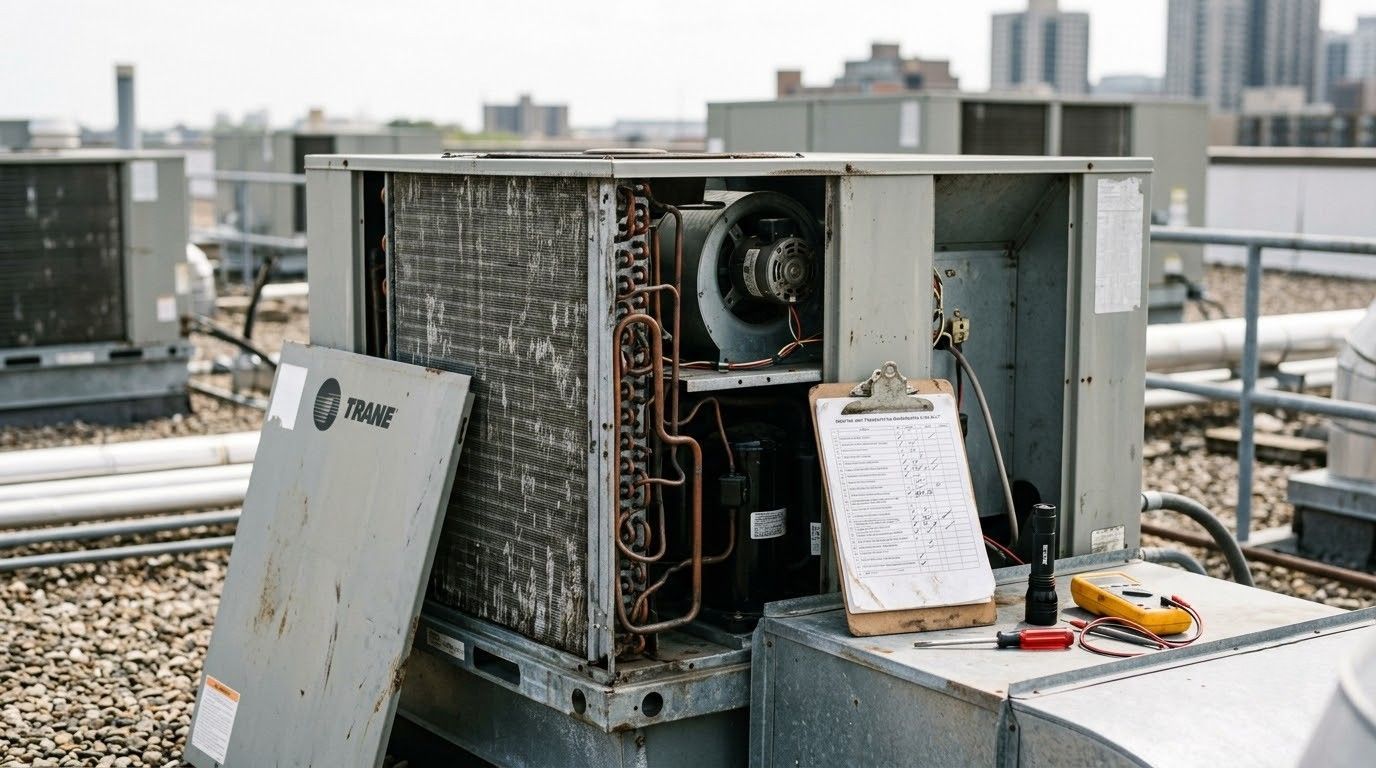
Scheduled inspections at intervals matched to your equipment and building use, usually spring and fall for standard sites and quarterly for heavy-duty facilities. Every visit is logged, so any drift in system performance stays clearly visible between appointments.
Insert Title
Insert Title
THE WORD ON OUR WORK
WHAT OUR CLIENTS SAY.
Facility managers and business owners across central Nebraska rate us at 5.0 stars, and most of that comes down to two things: the system was sized correctly, and someone answered when it stopped working. If we have installed or serviced your equipment, a review helps others choose well.
Common Questions
FREQUENTLY ASKED QUESTIONS.
Questions we field regularly from facility managers planning a commercial HVAC replacement, comparing maintenance agreements, or trying to figure out why an existing system keeps underperforming.
How long does a commercial HVAC system last?
Packaged rooftop units generally run 15 to 20 years, while chillers and boilers can exceed that range with proper care. Maintenance history is by far the biggest variable, and neglected units routinely fail closer to 10 years than 20.
How often should a commercial HVAC system be serviced?
Twice a year is the working minimum, once before cooling season and once before heating season. Buildings with heavy occupancy, kitchen exhaust loads, or dusty environments benefit from quarterly visits, since filters and coils load up considerably faster there.
How is a commercial HVAC system sized for a building?
A load calculation accounts for square footage, ceiling height, insulation, window area, occupancy, lighting, and equipment heat gain. Simply copying the tonnage from the old unit skips all of that and repeats whatever sizing error was made originally.
What is a rooftop unit and why do businesses use them?
A rooftop unit packages the compressor, condenser, evaporator, and often the heating section into a single cabinet installed on the roof. It frees interior floor space, simplifies service access and keeps the noisiest components away from occupied areas.
What is included in a preventative maintenance program?
Filter changes, coil cleaning, belt and bearing inspection, electrical connection checks, refrigerant charge verification, condensate drain clearing, control calibration, and a documented report. Central Nebraska Refrigeration sets the interval around how hard your building in York, NE actually works its equipment.
How long does a commercial HVAC installation take?
A straightforward rooftop changeout often finishes within 1 or 2 days, including the crane time. Larger projects involving ductwork, electrical upgrades, or multiple units run longer, and the schedule gets confirmed against your operating hours before any work starts.
What are the signs a commercial HVAC system needs replacing?
Rising energy bills, repeated repairs, uneven temperatures across the building, an obsolete refrigerant, and an age past 15 years together make a strong case. Any one of those alone rarely justifies replacement, but three or four together usually do.
Can a commercial HVAC system be zoned for different areas?
Yes. Zoning uses dampers, multiple units, or variable capacity equipment to condition areas independently, which suits buildings mixing offices, retail floor, and kitchen space. Central Nebraska Refrigeration reviews zoning during design for York, NE buildings rather than treating it as an afterthought.
HOW WE WORK
FROM LOAD CALCULATION TO FINAL COMMISSIONING, HERE IS HOW.
STEP 01
Walk the Building With You
We look at the space, the existing equipment, the trouble spots you have lived with and how each area is used. Complaints about one warm corner often reveal a design problem worth solving during replacement.
STEP 02
Calculate the Actual Load
Square footage, ceiling height, insulation, glazing, occupancy, and equipment heat gain go into the sizing rather than the nameplate of the old unit. The result is a tonnage figure we can explain and defend.
STEP 03
Present Equipment and Pricing
You receive options with the reasoning attached, including efficiency comparisons and expected payback where an upgrade is on the table. Pricing is presented before anything is ordered, along with the realistic project timeline.
STEP 04
Schedule Around Your Operations
Changeout dates, crane time, and any interruption to conditioning get planned against your business hours wherever possible. You know in advance which day the space will be affected and for approximately how long.
STEP 05
Install and Commission the System
Curb work, electrical, ductwork, and controls are completed, then airflow, charge, and the sequence of operation are all verified. The unit leaves our hands measured and documented, not simply switched on and assumed correct.
STEP 06
Set the Maintenance Interval
Before we close the job, we agree a service schedule matched to your building and equipment. That first appointment is booked, so the system stays on a maintenance record instead of drifting until something fails.
GET YOUR UPFRONT ESTIMATE
LET US SIZE IT PROPERLY BEFORE YOU BUY IT.
A quote based on a load calculation is worth far more than one based on a nameplate, and it frequently comes in lower. Central Nebraska Refrigeration designs, installs, and maintains commercial heating and cooling systems for facilities throughout York, NE, with pricing shown before any equipment is ordered. Tell us about the building and the trouble you have been having through our contact page, and we will arrange a site visit that fits your schedule.
WHAT YOUR SITE ASSESSMENT COVERS:
- A load calculation for your actual building
- Equipment options with the reasoning explained
- Pricing and timeline before anything is ordered
- Commissioning readings documented at handover
- Warranty options on parts and labor
- A maintenance interval set to your building use